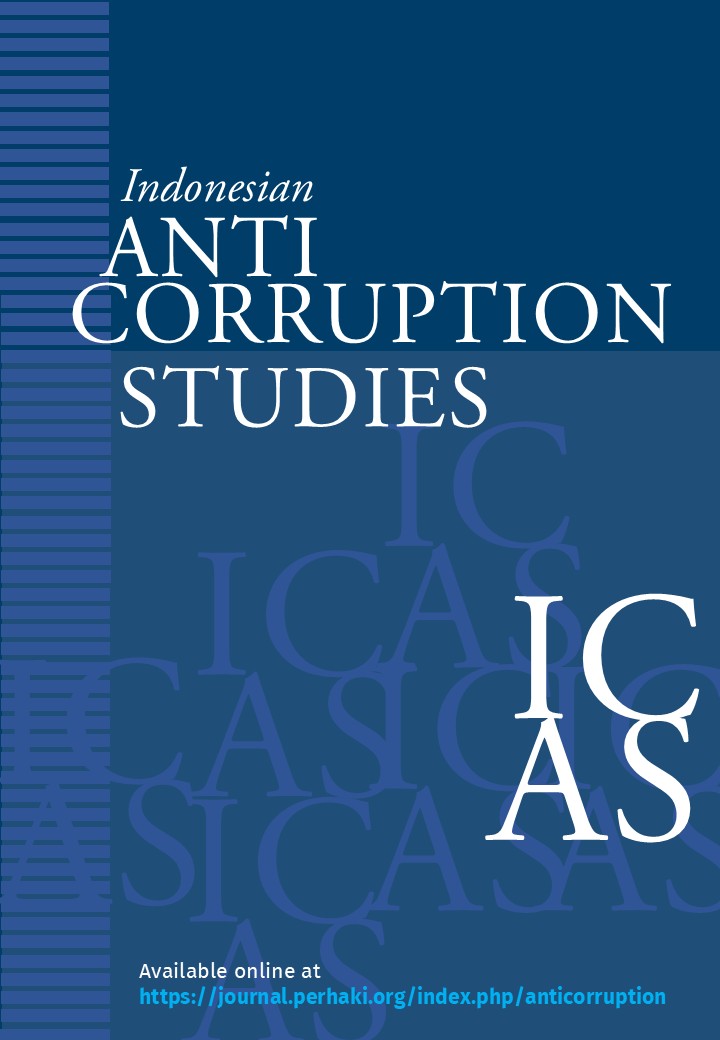
Religious Institutions and Anti-Corruption Discourse in Indonesia
DOI:
https://doi.org/10.65815/2gcxq063Keywords:
Religious Institutions; Anti-Corruption; Moral Discourse; Social Norms; IndonesiaAbstract
Religious institutions play a significant role in shaping moral values and social norms in Indonesia. This paper explores the involvement of religious organizations in anti-corruption discourse, analyzing sermons, religious education, and community outreach programs. Through qualitative content analysis and interviews with religious leaders and followers, the study examines how religious teachings contribute to framing corruption as a moral and social sin, influencing public attitudes and behaviors. Findings reveal both the strengths and limitations of religious institutions as agents of anti-corruption socialization, including challenges posed by political entanglements and varying interpretations of ethical mandates. The paper argues for leveraging the moral authority of religious organizations while promoting pluralistic and inclusive approaches to anti-corruption advocacy. This research enriches the global conversation on the intersection of religion and governance in combating corruption.
Published
Issue
Section
License

This work is licensed under a Creative Commons Attribution 4.0 International License.
All writings published in this journal are the personal views of the authors and do not represent the views of this journal or the authors’ affiliated institutions. Authors retain copyrights without any restriction under the license of Creative Commons Attribution 4.0 International (CC BY 4.0).